Info
Reference information and guides
Nuclear Strikes in Warfare
Nuclear weapons have been used in warfare on exactly two occasions — both by the United States against Japan in August 1945. The maps below show the documented blast, thermal, and radiation effect zones for each strike based on declassified US government studies and survivor research.
Effect zone radii based on: Glasstone & Dolan "The Effects of Nuclear Weapons" (1977, US DoD/DoE); US Strategic Bombing Survey (1946); RERF Life Span Study; NUKEMAP by Alex Wellerstein (nuclearsecrecy.com). Tap/hover map zones for details.
Hiroshima, Japan
August 6, 1945
08:15 JST
Little Boy
Gun-type Uranium (U-235)
~140,000 by end of 1945
~70,000–80,000 killed instantly
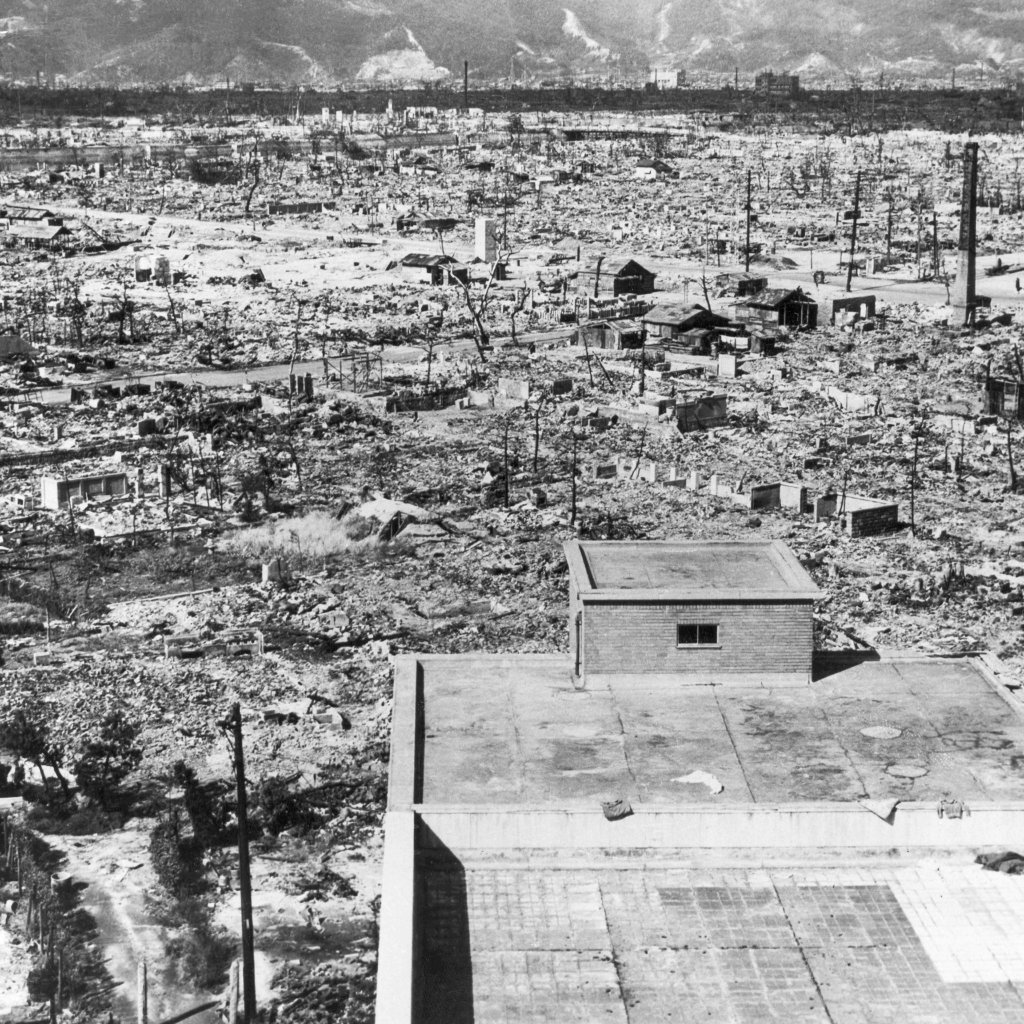
The first nuclear weapon used in warfare. The bomb detonated at 580 m altitude over the Shima Surgical Clinic, ~800 m from the intended Aioi Bridge aiming point. Approximately 69% of Hiroshima's buildings were destroyed.
Effect Zones
Complete vaporisation. Nothing survives.
Casualties: Total destruction — all killed · >20 psi (>138 kPa)
Source: Glasstone & Dolan (1977), Ch. 2
Reinforced concrete buildings destroyed. 100% fatality from blast & burns.
Casualties: ~100% killed instantly · 10–20 psi (69–138 kPa)
Source: US Strategic Bombing Survey (1946); NUKEMAP
Wooden buildings destroyed, concrete buildings heavily damaged. Third-degree burns. High lethality.
Casualties: ~50–90% fatality · 5 psi (34 kPa)
Source: Glasstone & Dolan (1977), ABCC studies
Second-degree burns to exposed skin. Clothing ignites. Most unprotected people killed or severely injured.
Casualties: ~25–50% killed · 2 psi (14 kPa)
Source: Hiroshima/Nagasaki ABCC reports; RERF Life Span Study
Acute radiation syndrome (>1 Sv dose). First-degree burns. Many survive with medical care.
Casualties: ~5–25% fatality without treatment · 1 psi (7 kPa)
Source: RERF Life Span Study; WHO nuclear warfare reports
Light structural damage. Fallout contamination. Elevated cancer risk. Evacuation recommended.
Casualties: Significant long-term health effects · <1 psi
Source: RERF (2022 update); Hiroshima Peace Memorial Museum
Nagasaki, Japan
August 9, 1945
11:02 JST
Fat Man
Implosion-type Plutonium (Pu-239)
~80,000 by end of 1945
~40,000 killed instantly
The second nuclear strike. Originally targeting Kokura, cloud cover forced diversion to Nagasaki. The bomb detonated over the Urakami district — ~3 km from the intended aiming point. Nagasaki's hilly terrain confined the blast, limiting destruction compared to Hiroshima despite the higher yield.
Effect Zones
Complete vaporisation. Nothing survives.
Casualties: Total destruction — all killed · >20 psi (>138 kPa)
Source: Glasstone & Dolan (1977), Ch. 2
Reinforced concrete buildings destroyed. 100% fatality from blast & burns.
Casualties: ~100% killed instantly · 10–20 psi (69–138 kPa)
Source: US Strategic Bombing Survey (1946); NUKEMAP
Wooden buildings destroyed, concrete buildings heavily damaged. Third-degree burns. High lethality.
Casualties: ~50–90% fatality · 5 psi (34 kPa)
Source: Glasstone & Dolan (1977), ABCC studies
Second-degree burns to exposed skin. Clothing ignites. Most unprotected people killed or severely injured.
Casualties: ~25–50% killed · 2 psi (14 kPa)
Source: Hiroshima/Nagasaki ABCC reports; RERF Life Span Study
Acute radiation syndrome (>1 Sv dose). First-degree burns. Many survive with medical care.
Casualties: ~5–25% fatality without treatment · 1 psi (7 kPa)
Source: RERF Life Span Study; WHO nuclear warfare reports
Light structural damage. Fallout contamination. Elevated cancer risk. Evacuation recommended.
Casualties: Significant long-term health effects · <1 psi
Source: RERF (2022 update); Hiroshima Peace Memorial Museum
Historical Legacy
These bombings demonstrated the catastrophic potential of nuclear weapons and directly shaped the post-war world order. Key treaties that followed include the NPT (1968), CTBT (1996), and TPNW (2017). The Hibakusha (atomic bomb survivors) continue to advocate for global nuclear disarmament.
NukeMonitor's seismic monitoring helps detect undeclared nuclear tests by identifying seismic signatures characteristic of nuclear detonations — shallow depth, unusual P-wave ratios, and proximity to known test sites.